
For rental property owners, bathroom renovations are more than aesthetic upgrades, they’re strategic investments. A well-planned remodel can justify higher rents, reduce maintenance headaches, and keep tenants longer. But getting the balance right between cost, durability, and tenant appeal requires smart planning from the start.
Main Takeaways
- Focus on long-term durability and easy maintenance over luxury aesthetics.
- Prioritize updates that reduce tenant complaints and future repair costs.
- Budget strategically; include a contingency of at least 10–15% for surprises.
- Use digital planning tools to manage multi-unit projects efficiently.
- Know when to DIY and when to hire licensed professionals for compliance and safety.
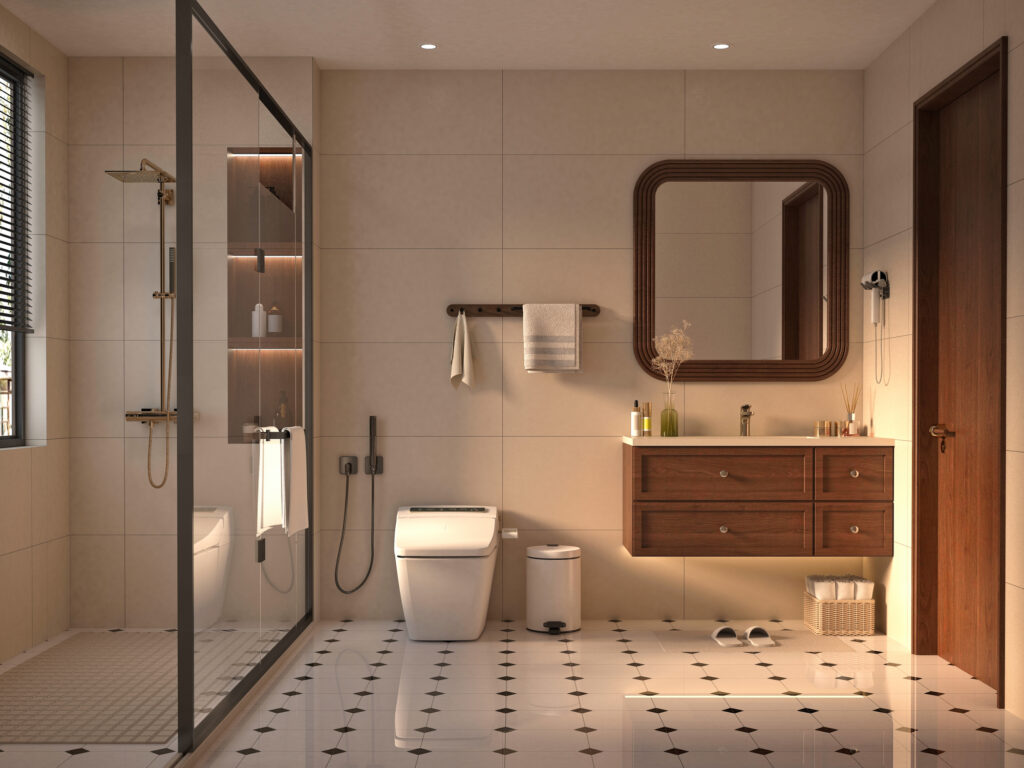
Bathroom remodel costs vary depending on size, materials, and property class. For rental units, every dollar should increase property value or reduce ongoing costs. Think of your budget as an investment allocation, not an expense.
| Category | Recommended Budget % | Notes |
| Plumbing & Fixtures | 25–35% | Choose water-saving fixtures for lower utility bills |
| Flooring & Tile | 15–25% | Opt for moisture-resistant, durable materials |
| Lighting & Electrical | 10–15% | Energy-efficient LEDs save on long-term costs |
| Cabinetry & Storage | 10–15% | Prefabricated, durable materials reduce replacements |
| Paint & Finishes | 5–10% | Neutral tones attract a wider tenant pool |
| Labor & Contingency | 10–20% | Plan ahead for permits and unexpected issues |
A strong budget protects cash flow and ensures that upgrades yield measurable rental return.
When DIY Makes Sense, and When It Doesn’t
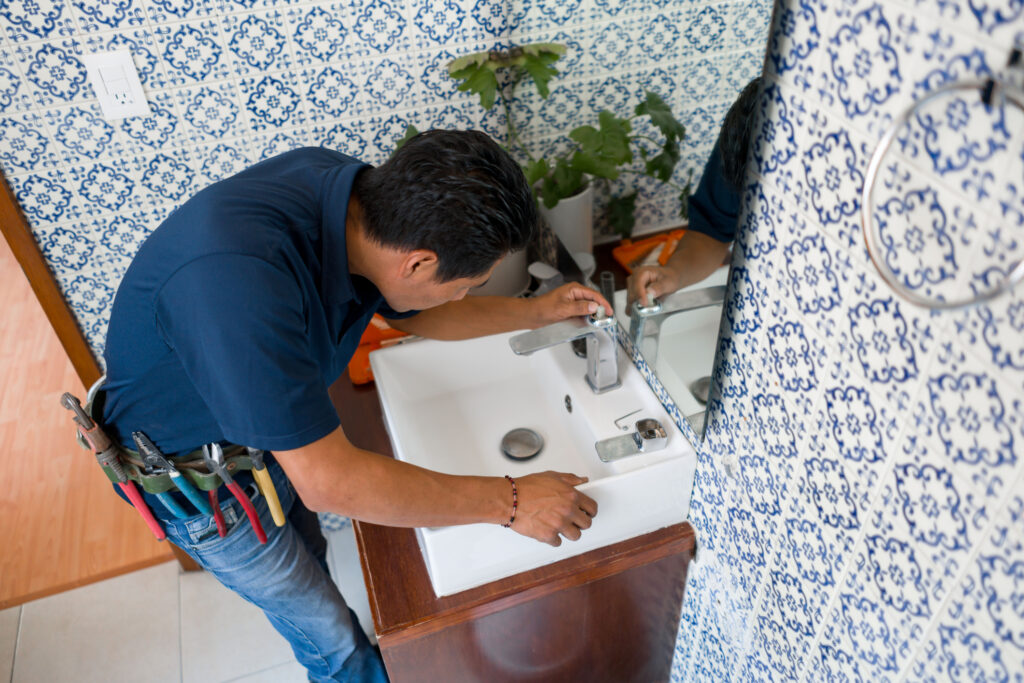
DIY is often smart for cosmetic updates like repainting, mirror installation, or hardware swaps. But plumbing, waterproofing, or electrical work should always be handled by licensed professionals. Improper installation can lead to leaks, mold, or code violations, which are all costly liabilities in a rental environment.
If you manage multiple units, develop a standardized remodel checklist and preferred vendor list. This ensures quality consistency and reduces project downtime between tenants.
Stay Organized
Managing a remodel can quickly get messy. Digitizing your floor plans, material lists, and budget worksheets helps streamline every renovation. Storing everything as PDFs keeps versions consistent and makes it easy to share updates with contractors or property managers. There are tools to edit PDF files that allow you to convert, compress, edit, rotate, and reorder documents, simplifying recordkeeping and improving collaboration across your rental portfolio.
A Practical Remodel Checklist
Before the first tile comes up, make sure you’ve covered these essentials:
- Define your investment goal: higher rent, fewer repairs, or faster turnover?
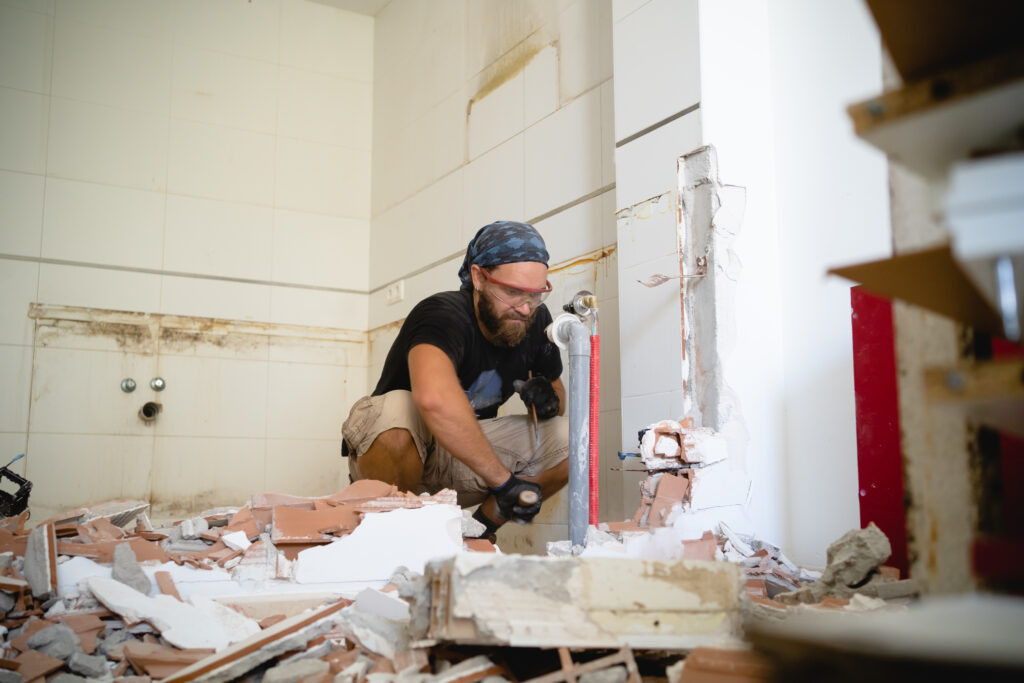
- Inspect for plumbing or water damage before demolition.
- Choose neutral designs that appeal to a broad tenant base.
- Confirm local permit requirements to stay compliant.
- Purchase fixtures and materials in bulk for better pricing.
- Schedule work to minimize unit vacancy time.
- Inspect all work before final payment and move-in.
This process ensures every remodel strengthens—not strains—your rental operation.
High-ROI Upgrades for Rentals
When remodeling for tenants, aim for simplicity, efficiency, and longevity. These upgrades pay for themselves faster:
- Dual-flush toilets and low-flow faucets reduce water bills.
- Durable vinyl plank or porcelain tile flooring resists damage.
- Solid-surface counters clean easily and resist stains.
- LED lighting improves appeal and lowers energy use.
- Pre-finished vanities cut installation time and costs.
Consistency is key: standardized fixtures make repairs easier and reduce confusion for maintenance teams.
Avoid Common Pitfalls
Every investor learns a few lessons the hard way. Skip the costly ones by avoiding these traps:
- Over-customizing a space that tenants won’t appreciate.
- Neglecting ventilation or waterproofing (the silent ROI killers).
- Skipping pre-renovation inspections for leaks or rot.
- Using high-maintenance materials that drive up cleaning or replacement costs.
A remodel that looks great but requires constant attention isn’t a win, it’s a drain.
FAQ
Before finalizing your remodel plan, review these common landlord questions:
- Which bathroom upgrades add the most rental value?
Water-efficient fixtures, modern lighting, and durable tile flooring deliver strong ROI. These updates appeal to tenants, lower utility expenses, and require less frequent maintenance. Keep design neutral to maximize long-term versatility. - How long should I plan for a full remodel?
A standard rental bathroom remodel takes about 3–5 weeks, depending on materials and contractor schedules. To reduce vacancy time, order materials in advance and overlap design, permitting, and demolition phases strategically. - Should I go for luxury finishes to attract premium tenants?
Only if it aligns with your market segment. For mid-range rentals, focus on quality and clean design, not luxury. Over-investing in finishes that tenants won’t pay extra for reduces your overall yield. - How can I manage multiple remodels at once?
Create digital templates for budgets, design specs, and preferred vendors. Use project management tools or shared PDFs to keep each unit’s progress visible. Consistency cuts costs and accelerates future turnovers. - Are there tax benefits for remodeling rental bathrooms?
Yes. Many improvements qualify as depreciable assets. Consult your accountant for specifics on deductions or capital improvements. Tracking expenses digitally simplifies year-end reporting. - What’s the most important factor for long-term savings?
Quality installation. Even premium materials fail quickly if poorly installed. Always verify contractor references and warranties before starting work.
Conclusion
For rental property owners, bathroom remodeling isn’t just about modernizing, it’s about multiplying value. A well-executed upgrade attracts quality tenants, reduces future maintenance, and raises property income potential. Invest with strategy, plan with precision, and document everything digitally. Your next remodel should feel less like a renovation, and more like a scalable business improvement.